The food is part of why the event exists, not simply what is served during it
Dining experiences may take different forms from one event to the next. Some may be long-table dinners. Others may center on a tasting menu, a local restaurant collaboration, a visiting chef, a food story, a conversation or a more experimental hospitality concept.
Ticketed and limited. Ticket pricing is set for each event based on the menu, talent, production and overall format. There is no single standing ticket price for the series.
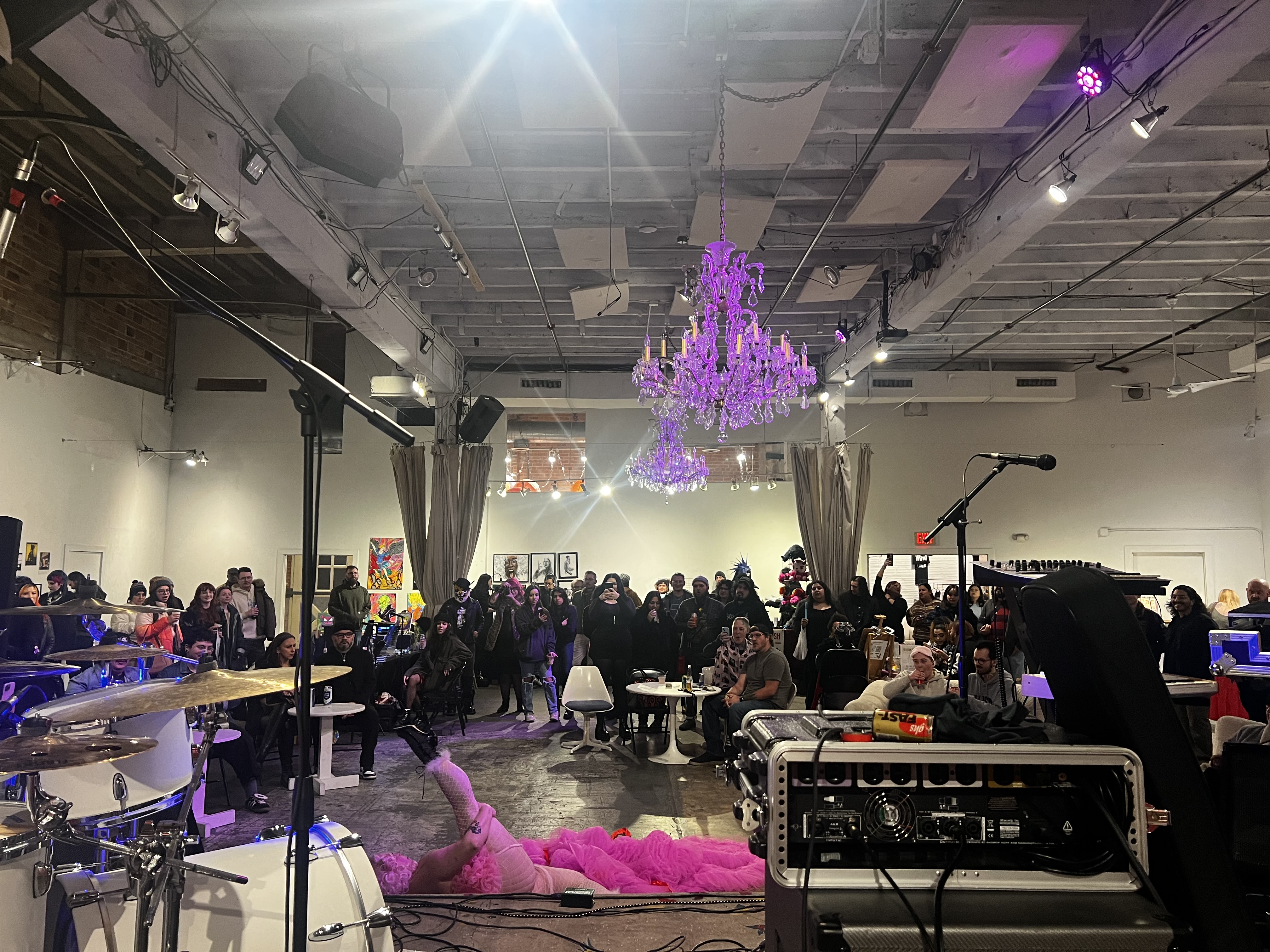
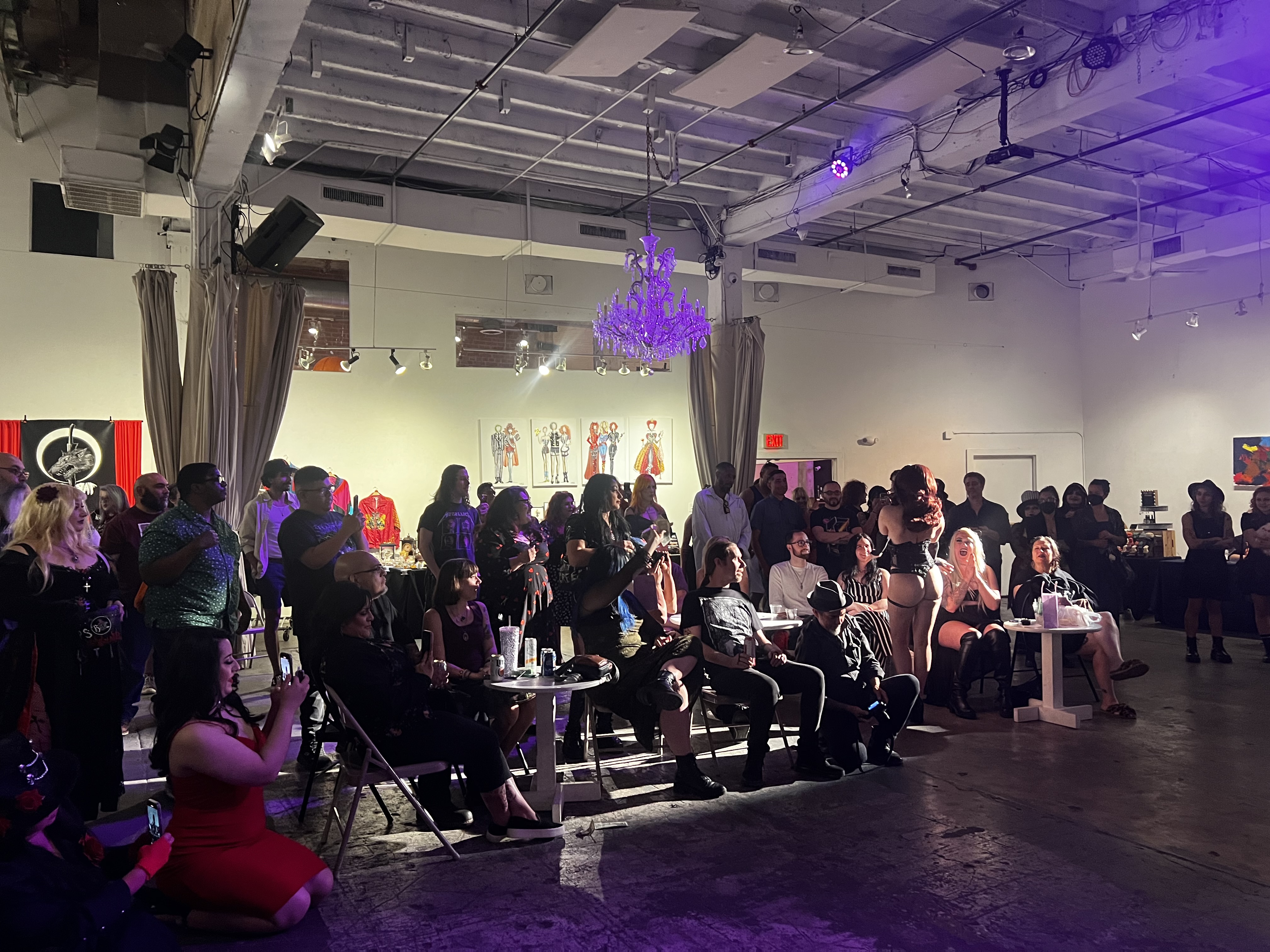
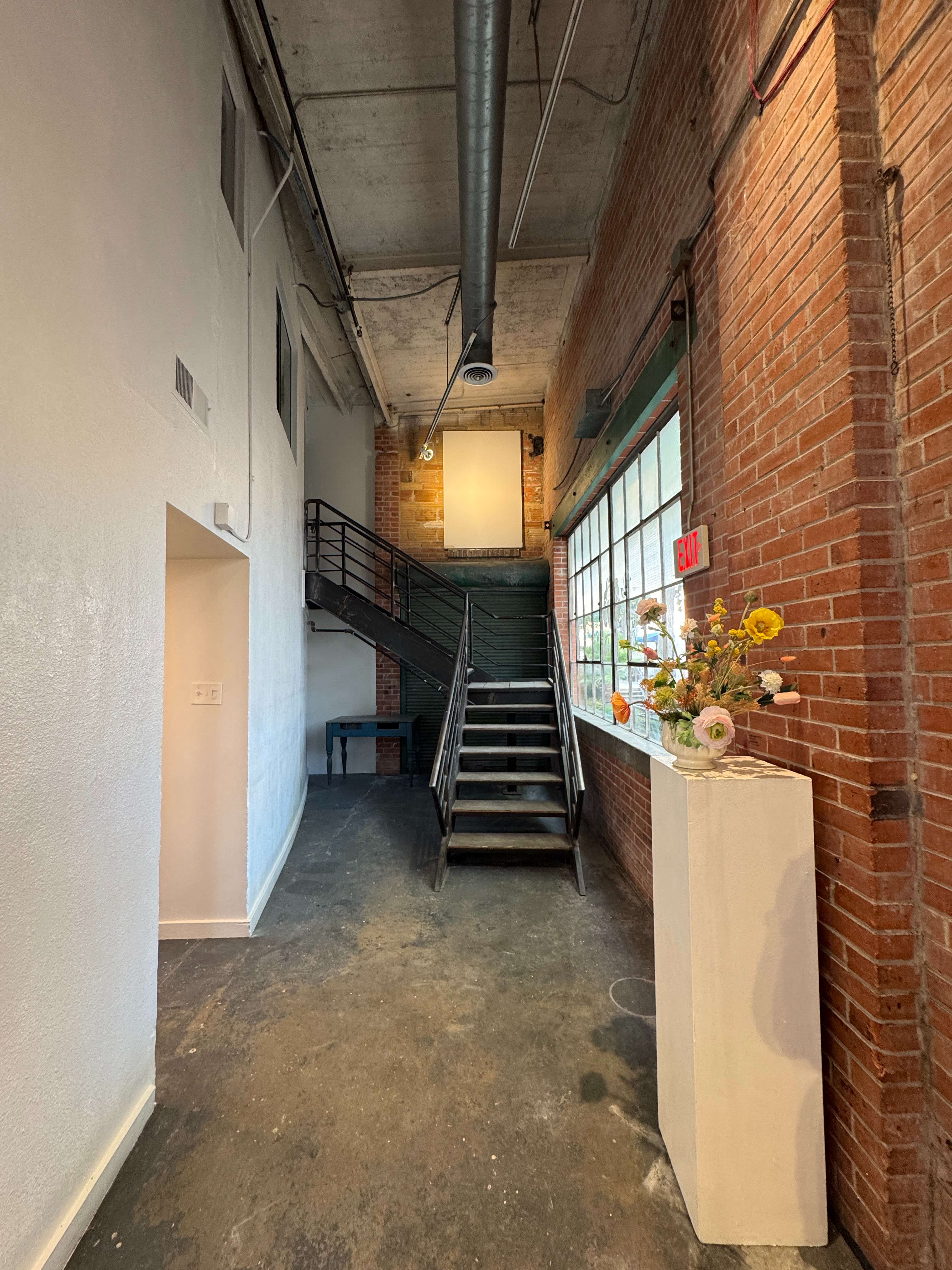
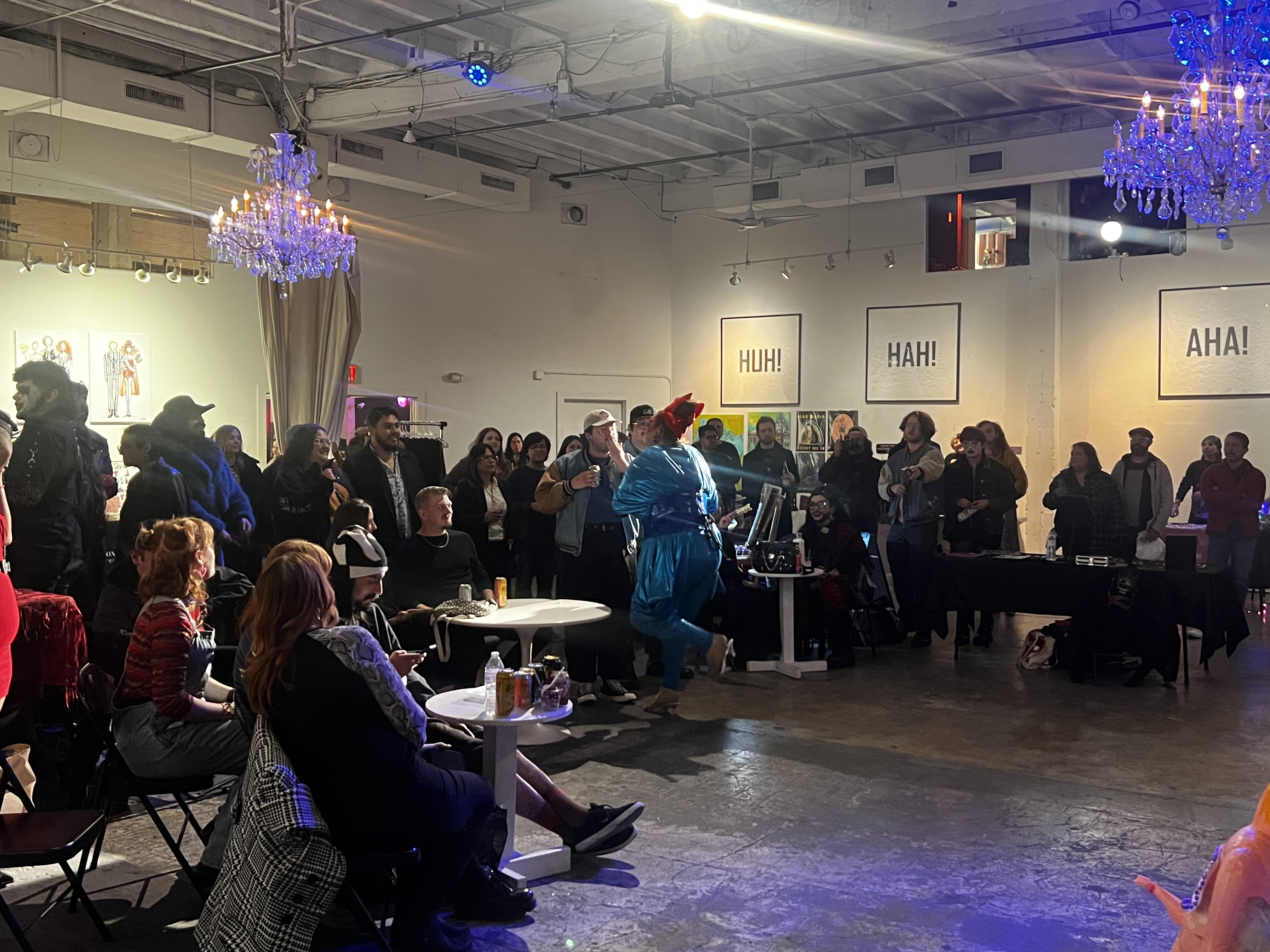
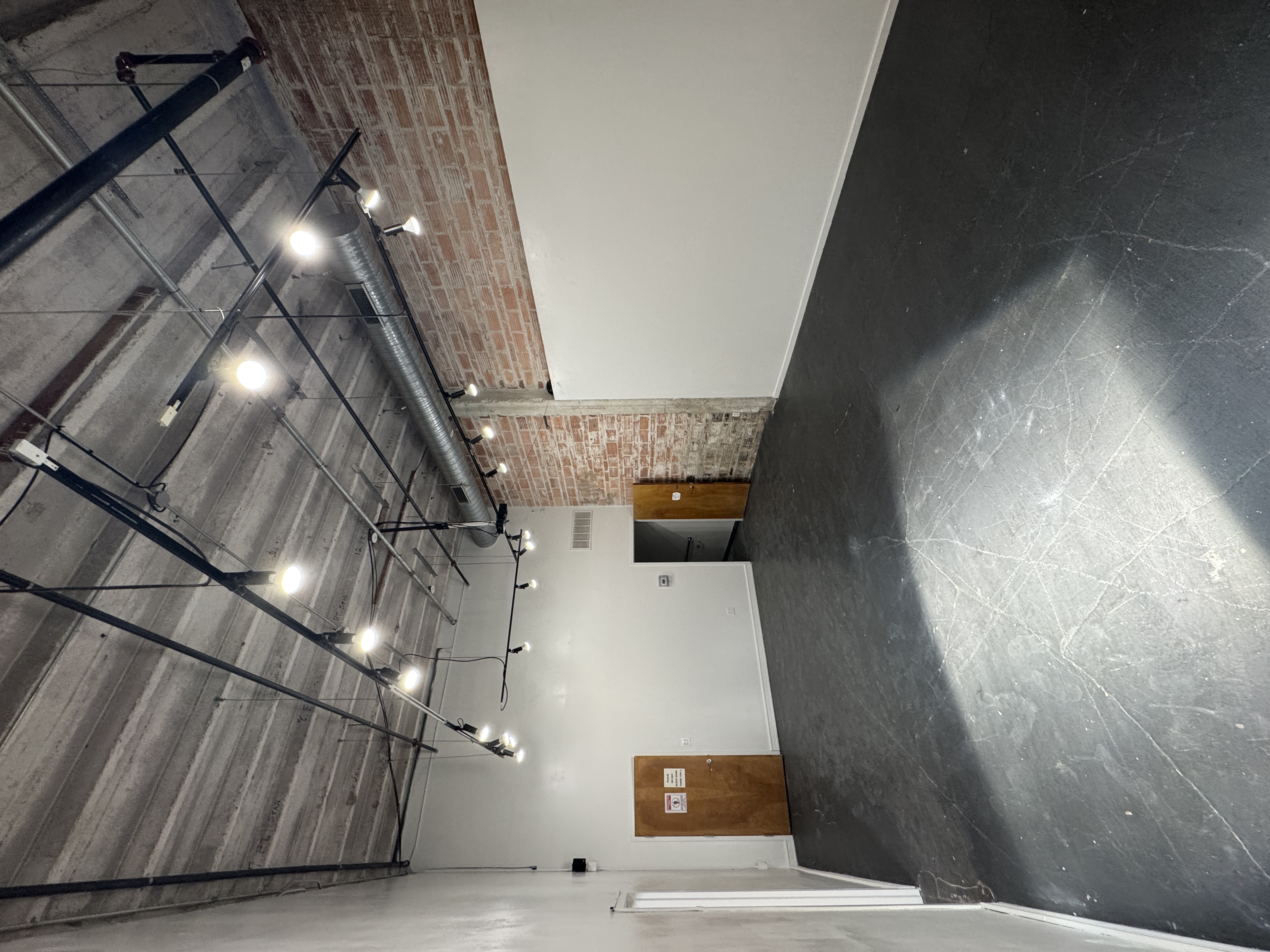
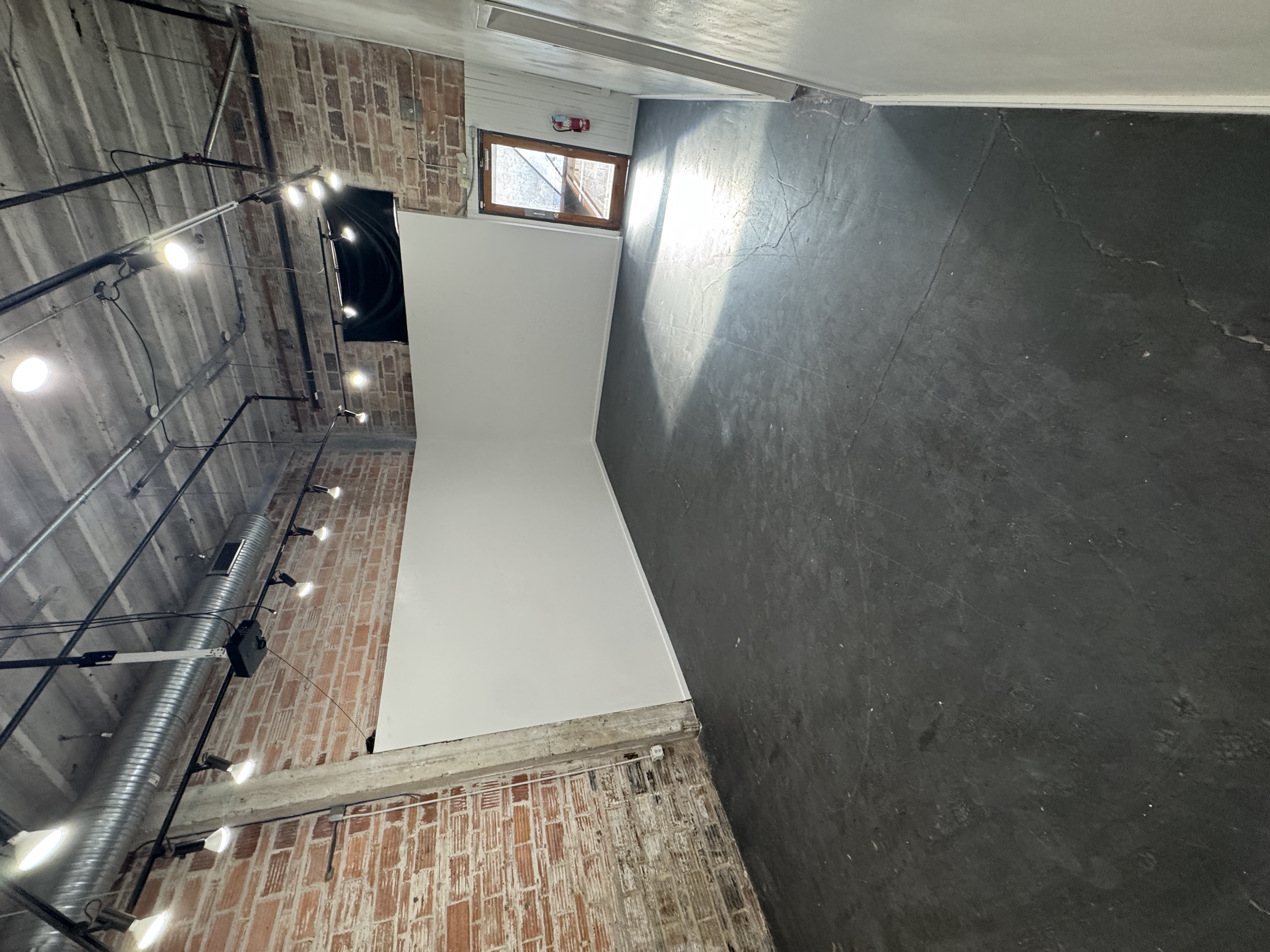
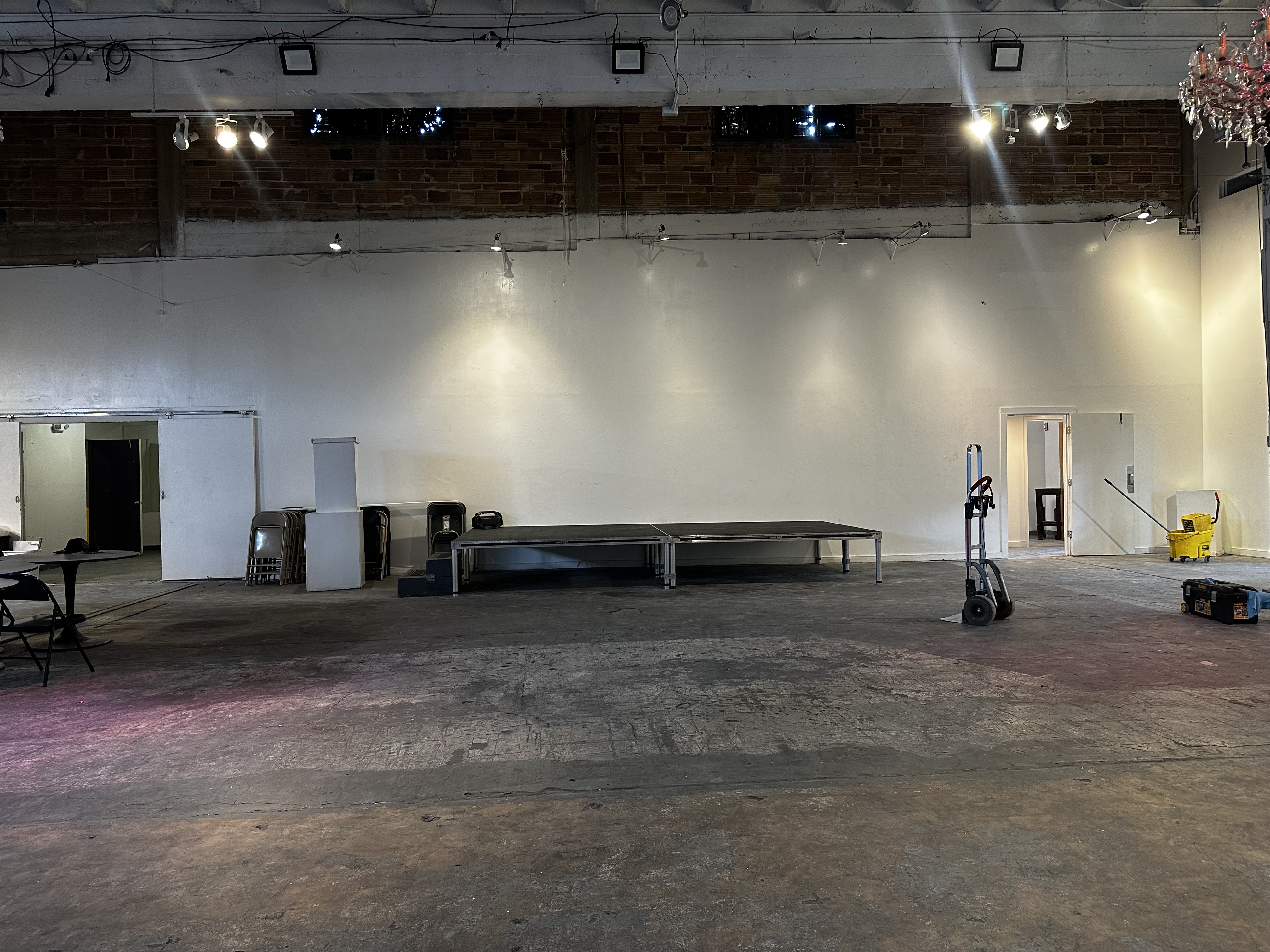
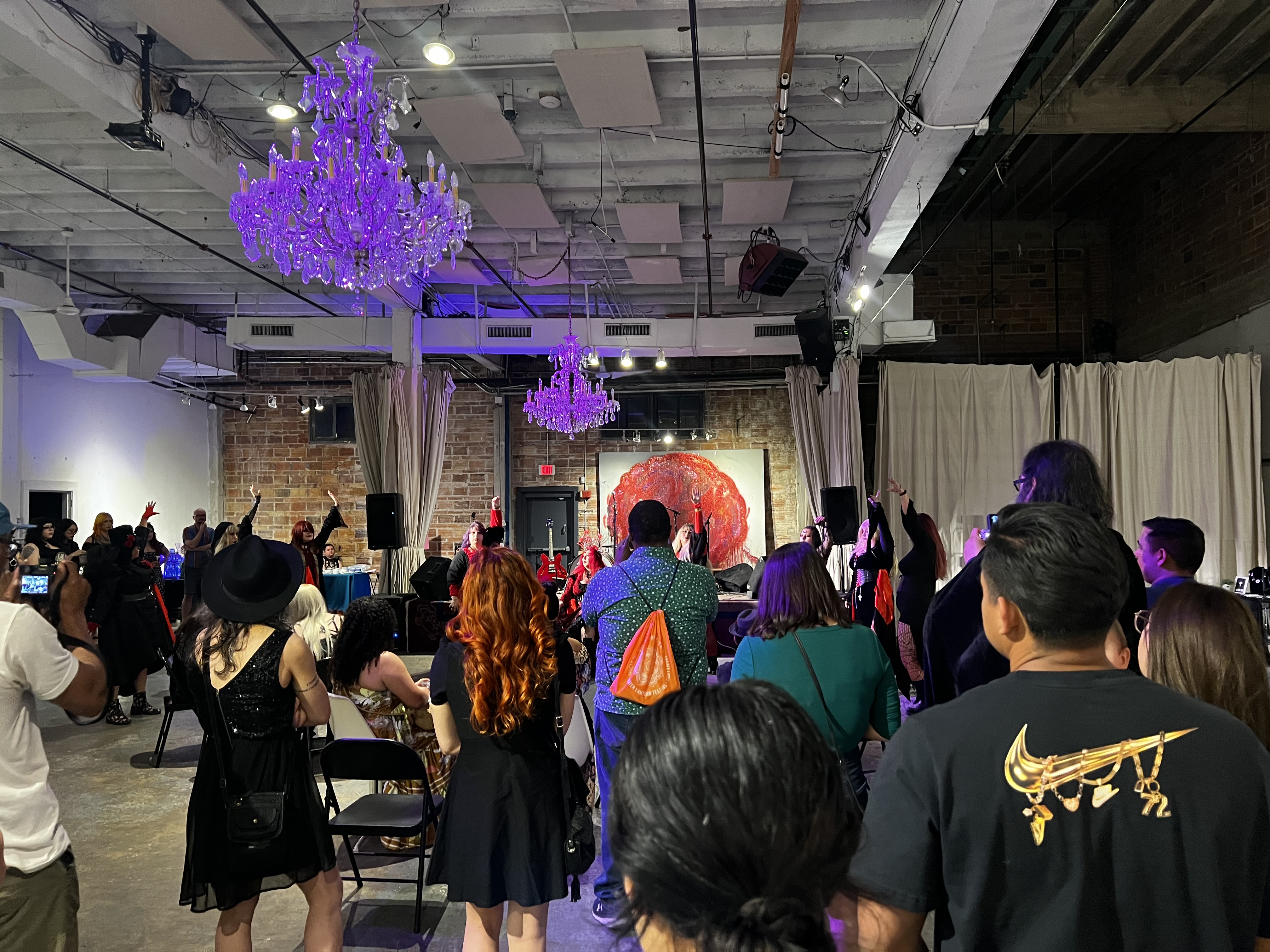
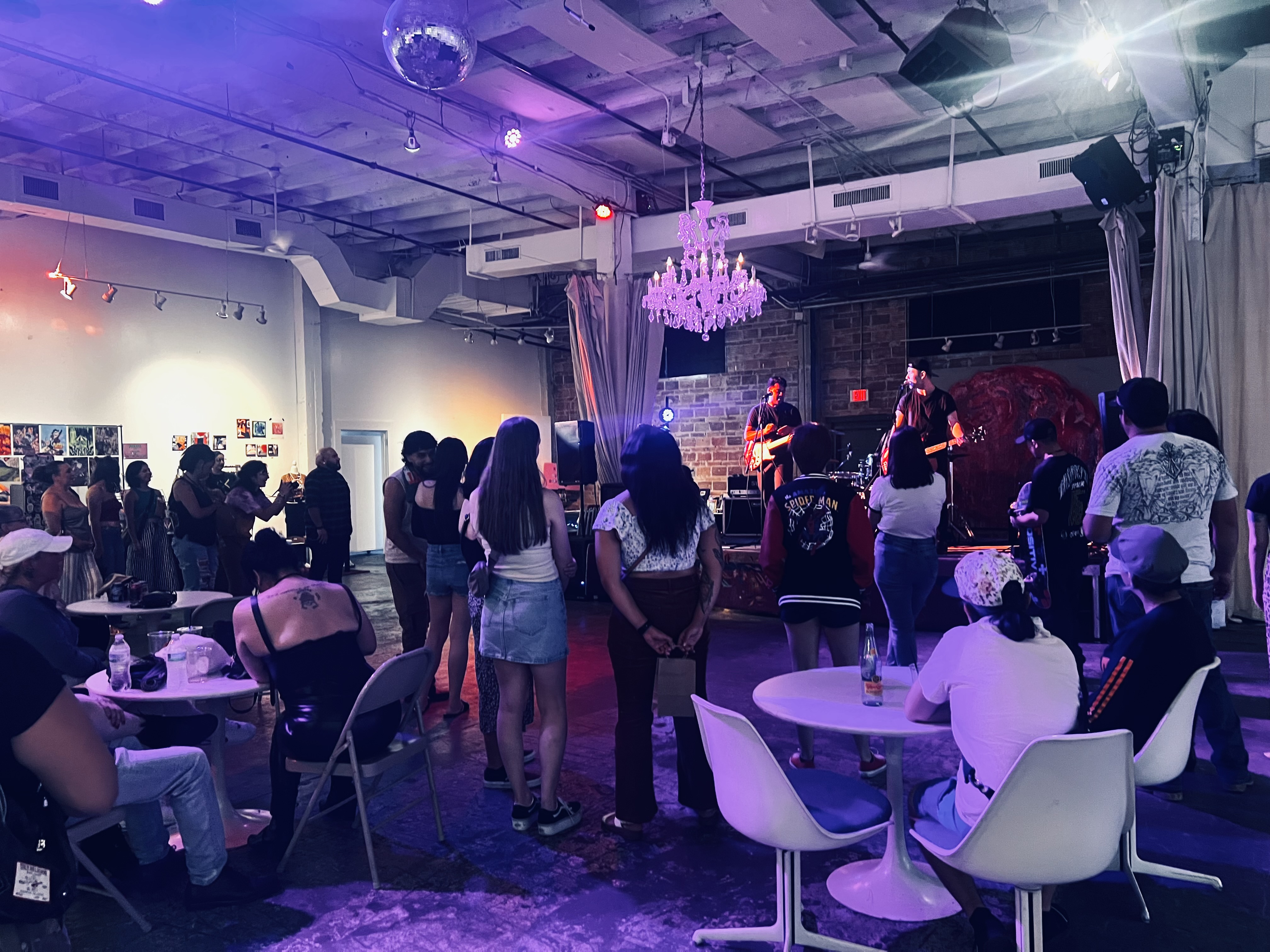
The room. The main hall can support up to 250 guests seated at tables, depending on the final layout — fewer once a stage, dance floor or buffet is added. The venue also includes a prep-only kitchen with a three-compartment sink, separate handwashing sink and prep counters. The kitchen does not include cooking appliances, so culinary partners plan production and service around the needs of each event.
How culinary partnerships work. Partnerships are developed case by case. A dinner may be produced by 108 Blue Star, co-presented with an independent chef or local boutique restaurant, or developed with another cultural or hospitality partner. Financial structure, ticketing, production responsibilities, food costs, staffing and marketing participation are agreed for each project rather than through a fixed split.
Have a dinner idea? Independent chefs, local boutique restaurants and producers with a concept can use the same programming inquiry process as other co-presented work. Tell us the concept or menu direction, who is involved, preferred timing, expected number of seats, ticket-price range if known, production and kitchen needs, what you are bringing, and what you are asking 108 Blue Star to provide.
Private events. Private-event clients may also explore custom culinary collaborations with independent chefs and local boutique restaurants, subject to availability and scope.